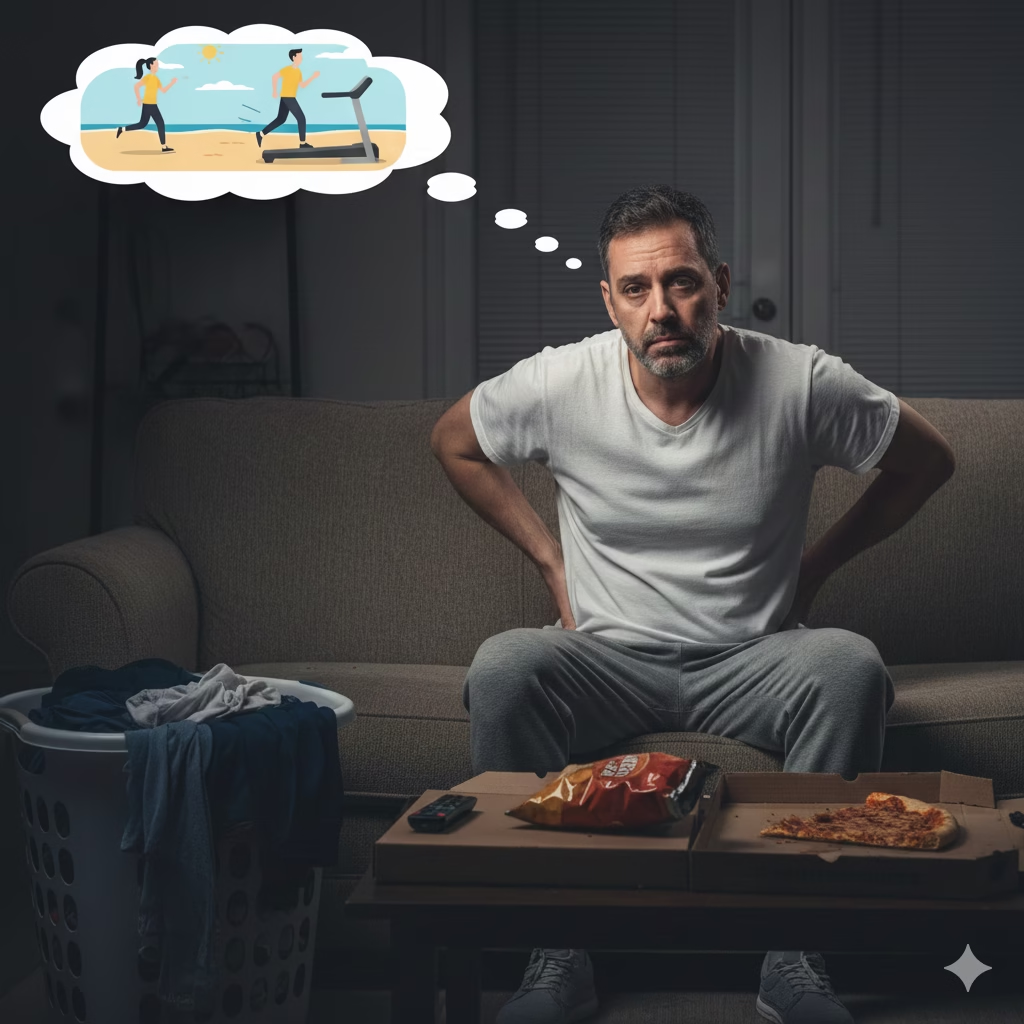
Have you ever blamed your exhaustion on being “just too busy,” only to realize you can barely climb a flight of stairs without getting winded?
Your body is remarkably good at communicating its needs—but we’ve gotten remarkably skilled at ignoring the signals. We blame our fatigue on stress, our poor sleep on caffeine, and our mood swings on everything except the most obvious culprit: we’re simply not moving enough.
When you don’t move enough, your metabolism and blood circulation slow down because inactive muscles have less demand, creating a cascade of symptoms that quietly erode your quality of life. The average person now sits for up to six and a half hours daily, and 25.3% of all American adults are physically inactive.
Here’s what makes this crisis so insidious: the signs you need to exercise more are often so subtle that you don’t recognize them as warning signals. You attribute them to aging, stress, or bad luck—when really, your body is practically begging you to move.
Better Today is here to help you decode your body’s messages and give you simple, actionable steps to start moving more—not someday, but today.
Advice Disclaimer: The information provided here is for general educational purposes and should not replace professional medical advice. If you have existing health conditions or concerns, consult with your healthcare provider before beginning any new exercise program.
5 Clear Warning Signs Your Body Needs More Movement
Sign #1: You’re Exhausted Despite Adequate Sleep
If you’re not sleeping at night, that would explain some of your fatigue, but being sedentary is a big factor, too. When you’re active, your body releases endorphins—bursts of energy that are mood boosters and pain relievers.
Paradoxically, research found that one low to moderate-intensity exercise lasting more than 20 minutes enhances energy and decreases fatigue. When you’re inactive, your tissues aren’t getting the oxygen and nutrients they need to keep you energized throughout the day.
What it means: Your metabolism has downshifted into energy-conservation mode because you’re not creating demand for energy production.
Sign #2: Your Sleep Quality Has Tanked
If you’re not moving much during the day, your body doesn’t feel like it needs to rest and recharge at night, which can lead to sleep problems. A good dose of exercise will help make you tired in a good way, which can lead to better sleep.
When you exercise regularly, you fall asleep faster and experience deeper, more restorative sleep cycles. Without physical activity, your body lacks the natural sleep pressure that comes from exertion.
What it means: Your circadian rhythm is confused because your body hasn’t experienced the physical stress-and-recovery cycle it evolved to expect.
Sign #3: You’re Gaining Weight Despite Eating the Same
You burn fewer calories. This makes you more likely to gain weight. You may lose muscle strength and endurance because you are not using your muscles as much.
Without regular movement, your body stores excess calories as fat while simultaneously losing muscle mass—the very tissue that burns calories efficiently. It’s a metabolic double whammy that compounds over time.
What it means: Your body composition is shifting unfavorably, increasing health risks even if the scale doesn’t move dramatically.
Sign #4: Simple Tasks Leave You Breathless
Just like biceps get weaker when you don’t use them, the muscles that help your lungs move in and out as you breathe lose strength if you don’t work them out regularly. The less activity you do, the more breathless you get, even during easy daily tasks.
Notice yourself panting after carrying groceries up the stairs? That’s your cardiovascular system signaling it’s deconditioned and needs work.
What it means: Your heart and lungs have adapted to minimal demand, reducing your overall physical capacity and endurance.
Sign #5: Your Mood and Mental Clarity Are Suffering
A lack of movement hurts more than just your physical health. It can also increase feelings of anxiety and depression. Regular cardiovascular exercise boosts mood, steadies emotions, and even improves self-esteem.
Regular exercise tells your body to make more chemicals called growth factors. They boost blood vessel production in your brain, directly supporting cognitive function and mental sharpness.
What it means: Your brain is literally starving for the increased blood flow and neurochemical boost that comes from physical activity.
What to Do About It Today: Your Simple Action Plan
The beautiful truth is that you don’t need a gym membership, fancy equipment, or hours of free time to reverse these warning signs. Small, consistent movements create compound results.
Step 1: Start With Just 10 Minutes
Set a timer and move continuously for 10 minutes right now. Walk briskly around your neighborhood, do jumping jacks in your living room, dance to your favorite songs, or follow a quick YouTube workout video. The key is getting your heart rate elevated and your blood flowing.
Why this works: Even one low-to-moderate-intensity exercise lasting more than 20 minutes can boost energy, but starting with 10 minutes builds the habit without overwhelming you. You can always add more once the routine is established.
Step 2: Set Movement Alarms Throughout Your Day
Program your phone to remind you every 90 minutes to stand up and move for 2-3 minutes. Do bodyweight squats, take a quick walk around your office or home, stretch your arms overhead, or march in place. These micro-movement breaks interrupt prolonged sitting and keep your metabolism active.
Why this works: One study found that interrupting sitting with 20 minutes of light-intensity walking each hour significantly reduced systolic and diastolic blood pressure. Even brief activity breaks make a measurable difference.
Step 3: Choose One “Active Replacement” Daily
Identify one sedentary activity you do daily and replace it with movement. Change scrolling on your phone for 15 minutes, take a walk. Instead of sitting through your entire lunch break, eat for 20 minutes, then walk for 10. Instead of watching TV passively, do stretches or bodyweight exercises while watching.
Why this works: You’re not adding exercise to an already packed schedule—you’re simply making existing time more active. This makes the change sustainable long-term.
Affiliate Disclaimer: Some fitness equipment or program recommendations in related resources may include affiliate links, though all exercise advice is based on scientific evidence and your genuine wellbeing.
The Minimum Effective Dose for Health
Wondering how much exercise you actually need? The World Health Organization recommends that adults 18-64 years old should do at least 150-300 minutes of moderate-intensity aerobic physical activity, or a minimum of 75-150 minutes of vigorous-intensity aerobic physical activity; or an equivalent combination throughout the week.
That breaks down to just 20-45 minutes daily of moderate activity—like brisk walking—or 10-20 minutes of vigorous activity like jogging or HIIT workouts.
Here’s the empowering part: A recent study shows that just 11 minutes of daily exercise can increase your lifespan. You don’t need marathon training sessions; you need consistent, moderate movement most days of the week.
The Compound Effect of Small Movements
There is a cumulative effect to moving regularly, so it’s critically important to consistently be physically active, intentionally and regularly exercise, and have less daily sedentary time. Every movement counts.
Think of exercise like compound interest for your body. A 10-minute walk today might seem insignificant, but do it daily for a month, and you’ve accumulated 300 minutes of activity—double the weekly minimum recommendation. Add in your movement breaks and active replacements, and you’ve completely transformed your activity level.
The people who successfully maintain active lifestyles don’t rely on motivation or massive willpower. They’ve built small movement habits into their daily routines until being active becomes the default, not the exception.
Your Body Is Ready When You Are
Every single warning sign your body has been sending—the fatigue, the poor sleep, the breathlessness, the weight gain, the mood struggles—can begin improving within days of increasing your physical activity. Your body is remarkably responsive and forgiving.
Having a sedentary lifestyle can also raise your risk of premature death. And the more sedentary you are, the higher your health risks are. But the inverse is equally true: the more you move, the more you reduce these risks and reclaim your health, energy, and quality of life.
You don’t need to become an athlete. You just need to move more than you did yesterday, and then maintain that momentum. Start where you are, use what you have, do what you can—today.
Top 5 Books to Go Deeper
1. “Atomic Habits” by James Clear
Clear’s framework for building tiny habits applies perfectly to exercise. His strategies help you design systems that make movement automatic, removing reliance on willpower and making active living sustainable for life.
2. “Spark” by Dr. John Ratey
Ratey reveals the revolutionary science of exercise and the brain. His research shows how physical activity is the single most powerful tool for improving mental health, cognitive function, and overall wellbeing.
3. “The Joy of Movement” by Kelly McGonigal
McGonigal explores why physical activity makes us happier and more connected. Her approach focuses on finding movement you enjoy, making exercise a celebration rather than punishment.
4. “Younger Next Year” by Chris Crowley
Crowley provides an accessible, motivating guide for staying active as you age. His practical advice makes fitness approachable for people who’ve been inactive and want to start moving more sustainably.
5. “Move Your DNA” by Katy Bowman
Bowman challenges the idea that exercise happens only in gyms. Her movement-rich lifestyle approach shows how to integrate more natural movement into everyday activities for better health outcomes.
The Choice Is Yours
Your body has been speaking to you through fatigue, poor sleep, breathlessness, weight gain, and mood struggles. These aren’t character flaws or inevitable consequences of aging—they’re urgent requests for more movement.
The question isn’t whether you have time to exercise. The question is whether you can afford to keep ignoring the warning signs. Every day you choose inactivity is a day you’re actively choosing diminished health, energy, and quality of life.
But today can be different. Today, you can honor your body’s requests by moving for just 10 minutes. That single decision—followed by another tomorrow, and another the day after—has the power to completely transform how you feel, think, and live.
What would your life look like six months from now if you started moving more today and never stopped?
Want more tips like this? Join @BetterToday for weekly ways to grow in health, mindset, and relationships.
About the Author
